
1st Annual
San Antonio Vaccine Development Center Conference
Vaccine Antigen Discovery and
Vaccine‐Induced Immunity
| Date: | November 16, 2012 | 8:00 am – 5:00 pm |
| Location: | University of Texas Health Science Center Greehey Children’s Cancer Research Institute Auditorium 8403 Floyd Curl Drive San Antonio, TX 78229 |
2012 Event Flyer
2012 Event Schedule
Keynote Speakers
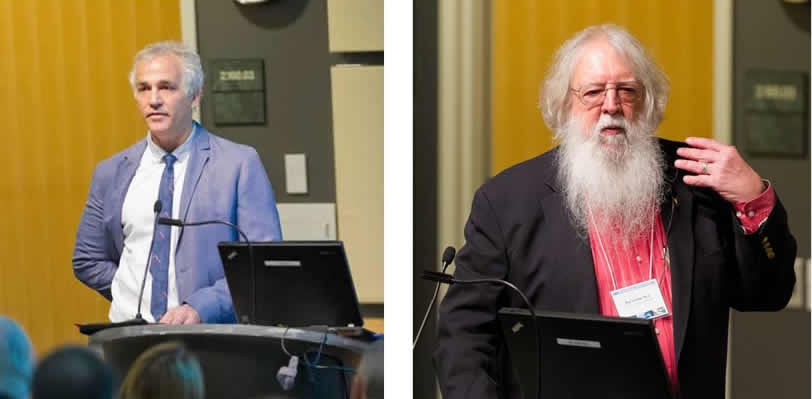
“T Cell Memory and Exhaustion”
Dr. Rafi Ahmed, Professor of Microbiology and Immunology and Director of the Emory Vaccine Center, Emory University School of Medicine
As a basic immunologist, Emory Vaccine Center Director Dr. Rafi Ahmed studies immunological memory, the ability of the immune system to remember a particular antigen and respond accordingly. Dr. Ahmed and his colleagues have made significant discoveries about how immune memory cells are created and how long they survive; understanding these mechanisms is crucial to the development of vaccines for HIV and other infectious agents. In addition to contributing vitally to vaccine science, Dr. Ahmed’s findings are being applied to research into therapies for the treatment of cancer and the prevention of organ rejection.
Dr. Ahmed holds the title of Georgia Research Alliance Scholar in Vaccine Research. He received his Ph.D. in microbiology from Harvard University. Before coming to Emory in 1995, he was a Professor in the Department of Microbiology and Immunology at the University of California, Los Angeles School of Medicine.

“Salmonella Vectored Vaccines, from Infectious Diseases to Cancer”
Dr. Roy Curtiss III, Professor of Life Sciences and Director of The Biodesign Institute, Arizona State University
Dr. Roy Curtiss III’s most recent emphasis has been the design and construction of cyanobacterial strains to both maximize production of biofuels and biofuel precursors and to possess genetically controlled means to facilitate product recovery in an energy efficient manner. Another major endeavor is directed at developing live vaccines to reduce morbidity and mortality caused by infectious disease agents of fish, poultry, swine, cattle and humans. His research group designs, constructs and evaluates recombinant genetically modified Salmonella vaccine strains as immunizing vectors to express and deliver protective antigens/epitopes representing virulence determinants from other pathogens and/or to deliver novel DNA vaccines encoding protective antigens/epitopes specified by genetic information from various pathogens for expression by the immunized individual.
Dr. Curtiss received his Ph.D. in microbiology from the University of Chicago.